The Art of Connection: Why the Big Sale Font Resonates in a Digital Age
In an era saturated with pixel-perfect geometric typefaces and algorithmic design, a curious counter-trend is flourishing. There is a growing, palpable yearning for the human touch—for marks that feel crafted, personal, and imbued with emotion. This is where handwritten fonts, particularly those with a specific character like Big Sale, cease to be mere design tools and become instruments of connection. Big Sale is not just a font; it is a cursive, delicate, and timeless handwritten script that offers a bridge between the efficiency of digital creation and the warmth of analog expression.
Understanding Big Sale: Aesthetic and Application
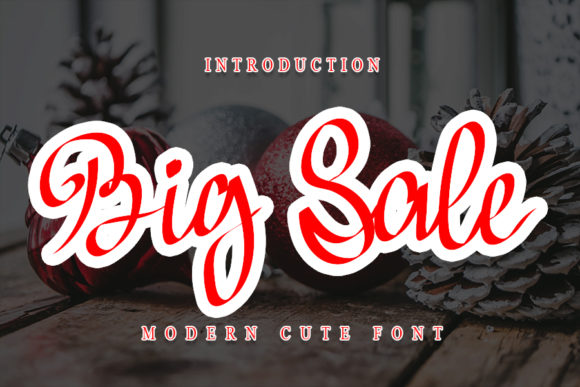
Big Sale is defined by its elegant cursive flow, balanced delicacy, and a timeless quality that avoids being tethered to a specific decade or trend. Its strokes suggest a confident yet personal hand, making it exceptionally versatile. As the description notes, it looks stunning on wedding invitations, thank you cards, quotes, greeting cards, logos, business cards, and every other design which needs a handwritten touch. This breadth of application is key. It moves from the deeply personal realm of life’s milestones—like weddings—to the professional sphere of business branding, without losing its core essence.
The font operates in a space between formal calligraphy and casual scribble. It possesses enough structure to be legible and professional, yet enough fluidity to feel authentic. This balance is precisely what makes it so valuable to professionals, creators, and entrepreneurs today.
The Broader Trend: Authenticity as a Market Force
The relevance of fonts like Big Sale is inextricably linked to larger shifts in consumer psychology and market dynamics. In a digital marketplace crowded with similar offerings, authenticity has become a primary differentiator. Brands, individuals, and creators are seeking ways to signal honesty, craftsmanship, and human-centric values. A generic, sans-serif logo might communicate efficiency, but a carefully chosen handwritten script like Big Sale can communicate care, attention, and a personal story.
This trend transcends graphic design. It is visible in product packaging favoring tactile materials, in marketing copy adopting a more conversational tone, and in the “maker” movement celebrating individual artistry. Using a handwritten font is a visual shortcut to these values. It signals that behind the product, service, or invitation, there is a person, not just a corporation.
Changing Needs and Preferences in Design Workflows
The practical adoption of Big Sale is also fueled by evolving workflows and expectations. Today’s professionals—from freelancers to marketing teams—operate in a hybrid environment. They need to produce high-quality, emotionally resonant design assets quickly and often independently. Stock photography and template-based tools are abundant, but they can lack uniqueness.
A font like Big Sale becomes a powerful, efficient resource in this workflow. It allows a single designer to:
- Elevate a standard digital invitation template into something that feels custom-made.
- Create a logo for a new small business that stands out from competitors using more generic typefaces.
- Add a signature touch to social media graphics, email headers, or website quotes that increases engagement through perceived personalization.
The technology enables this—the font file is downloaded and used like any other—but the output defies the mechanical feel of standard digital design. This addresses a key changing expectation: audiences now crave both the polish of professional design and the soul of personal creation. Big Sale helps meet that dual demand.
Why Professionals Are Paying Attention
For the target audience of entrepreneurs, marketers, and creators, attention to details like typography is a strategic business consideration. Big Sale garners attention because it solves specific problems:
- Brand Differentiation: In sectors like boutique retail, wedding planning, independent consulting, or creative services, a logo or business card using a delicate handwritten font can instantly communicate a boutique, personalized service ethos. It sets the visual tone.
- Emotional Engagement: Marketing studies consistently show that emotional connection drives decision-making. A quote shared on a company’s blog or a thank-you card sent to a client, rendered in Big Sale, carries more emotional weight than the same text in a standard font. It feels like a direct message.
- Versatility Across Media: A single font investment that works seamlessly for print (invitations, cards) and digital (logos, web graphics) is highly practical. Big Sale’s timelessness ensures it doesn’t become visually outdated on a long-term logo, while its delicacy suits short-term, event-specific materials.
Practical Observations and Applications
Consider these real-world scenarios where Big Sale shifts the perception of a design:
A freelance photographer’s website uses a clean, modern layout. Their logo, however, is their business name set in Big Sale. This immediately tells potential clients that while their technical skills are modern, their approach to capturing moments is personal and artistic. The font choice becomes part of their value proposition.
A corporate brand for a financial advisor might rely heavily on solid, trustworthy serif fonts. However, for a special client newsletter segment titled “Personal Insights,” using Big Sale for the headline could visually cue a shift from generic advice to thoughtful, individual perspective, increasing readership.
An online stationery shop sells digital thank-you card templates. Offering a template variant that uses Big Sale for the message text allows their customers to purchase a product that feels less like a template and more like a custom creation, thereby increasing the product’s perceived value and satisfaction.
Connecting to Larger Developments
The rise of tools like Big Sale also reflects a broader democratization of design. High-quality, specialty typefaces are now accessible to anyone, not just to large design firms with custom lettering budgets. This empowers small businesses and individual creators to compete visually in a crowded arena. Furthermore, it aligns with the “experience economy,” where the perceived authenticity and emotional resonance of every touchpoint—from an invitation to a receipt—are part of the product or service itself.
Looking forward, as interfaces between humans and technology become more seamless, the human-like qualities in design elements will likely grow in importance. A font that conveys timeless delicacy and personal touch, like Big Sale, is poised to remain relevant. It represents not a rejection of digital tools, but a masterful use of them to reintroduce the irreplaceable nuance of the human hand into our increasingly digital visual landscape.
In conclusion, Big Sale is more than a beautiful cursive font. It is a strategic asset for modern creators and professionals who understand that in a world of automation, the illusion—and often the reality—of the personal touch is a powerful, connective, and commercially vital differentiator. Its application from wedding invitations to business logos underscores a unified market desire: for design that feels not just seen, but felt.