Handmade: A Font for Personalizing Your Strategic Communication
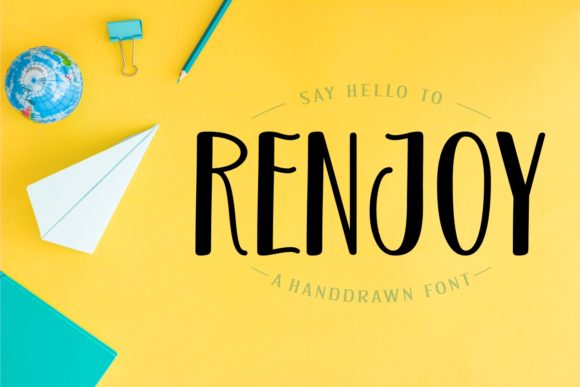
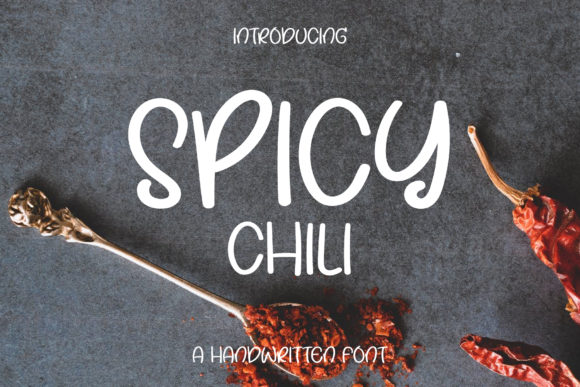
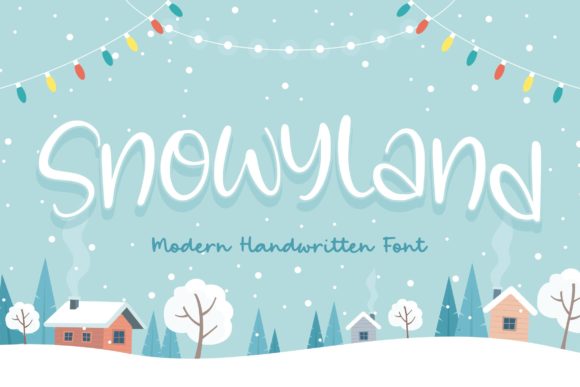
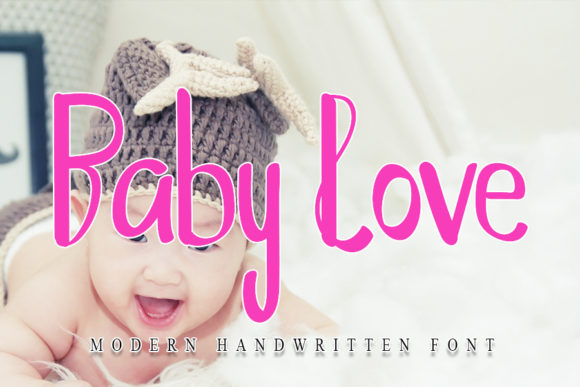
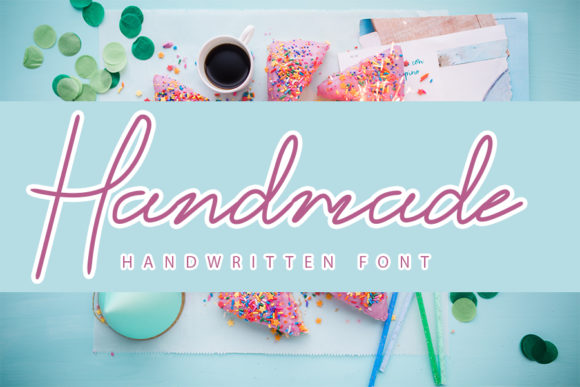
In a digital world saturated with rigid, geometric typefaces, choosing a font that embodies human warmth and personal connection is a strategic design decision. Handmade is precisely such a tool: a sweet and delicate handwritten font that brings a dainty and joyful aesthetic to any project. Its strategic value lies not merely in its appearance, but in its capacity to alter perception, enhance emotional engagement, and communicate a specific, intimate tone. For entrepreneurs, creatives, and professionals, understanding how to deploy Handmade intentionally can transform routine communication into memorable experiences.
The Strategic Utility of a Handwritten Font
Fonts are silent ambassadors for your message. While a corporate report demands clarity and neutrality, a wedding invitation, a personal brand logo, or a heartfelt marketing campaign often requires a different vocabulary. Handmade offers that vocabulary. Its delicate strokes and joyful curves signal care, personal attention, and authenticity. This isn't about mere decoration; it's about strategic positioning. When your audience encounters Handmade, they implicitly receive a message: this communication is thoughtful, personalized, and perhaps romantic. For a small business owner selling artisan goods, using Handmade on packaging or a website header can visually align the product with the handmade, craft-oriented values it represents.
Aligning Font Choice with Communication Goals
Before adopting Handmade, the critical first step is to interrogate your goals. What emotional response are you seeking? What brand attribute are you emphasizing? If your goal is to convey mass-market efficiency, Handmade might be a mismatch. If your goal is to evoke intimacy, celebration, or artistic personality, it becomes a potent asset. Consider a freelance photographer specializing in weddings. Using Handmade for client welcome packets, pricing brochures, or even watermarking preview images creates a cohesive, romantic brand experience that extends beyond the photographs themselves. The font becomes part of the service, reinforcing the photographer's sensitivity to the occasion's emotional weight.
Practical Applications and Realistic Use Cases
The classic application for a font like Handmade is, of course, wedding invitations and event stationery. Here, it performs its core function perfectly, lending a delicate, personalized touch to a deeply personal event. However, its utility extends far beyond. Thoughtful creators can leverage it for:
- Branding for niche businesses: Boutique candle makers, calligraphy services, custom jewelry designers, or family-run bakeries can use Handmade in logos, labels, and social media graphics to visually telegraph their hands-on approach.
- Specialized marketing campaigns: A targeted email campaign for a luxury spa’s "Romantic Retreat" package, or a local bookstore's "Love Stories" event poster, can use the font to set a distinct, soft tone that separates it from everyday communications.
- Personal projects and creative work: Bloggers writing about personal journeys, educators creating warm, inviting materials for young students, or hobbyists designing cards and gifts can use Handmade to inject their personality directly into their output.
The key is restraint and context. Handmade is often best employed as an accent font—for headlines, logos, invitations, or short, impactful quotes—rather than for long bodies of text where its delicate forms may compromise readability.
Planning for Cohesion and Readability
Integrating Handmade into a design requires planning for cohesion. A font this distinctive needs complementary partners. Pairing it with a simple, highly readable sans-serif font for supporting text creates balance. This pairing strategy ensures the decorative impact of Handmade is preserved while maintaining practical readability for paragraphs, instructions, or details. Furthermore, consider color. Handmade's delicate nature often works best with soft palettes, pastels, or classic black and white, rather than harsh, high-contrast neon schemes which could clash with its inherent sweetness.
The Risks of Unconsidered Use
Any powerful tool carries risk if applied without clear intent. Using Handmade randomly or in inappropriate contexts can undermine your message. For example, deploying it in a technical manual, a financial report, or a serious legal disclaimer would likely create a dissonance that confuses the reader and erodes trust. It could make the content feel unserious or frivolous. Another risk is overuse. Saturating a website or brand identity entirely with Handmade can dilute its specialness, making the design feel cloying or unprofessional. The strategic approach is selective, intentional use where its emotional connotations directly serve a defined communication objective.
Decision-Making Guidance for Professionals
When evaluating whether Handmade is right for your project, ask yourself these practical questions:
- Does my primary goal for this piece involve evoking emotion, personality, intimacy, or celebration?
- Is the context appropriate? (e.g., a celebratory announcement vs. a operational memo).
- Will my audience perceive this font choice as aligned with the content's substance?
- Have I planned for readability by pairing it with a suitable body font and testing at various sizes?
- Am I using it as a focused accent, rather than the sole typographic voice?
This checklist moves the decision from aesthetic preference to strategic implementation.
Cultivating Long-Term Value Through Consistent Application
For businesses building a brand around personal touch, the long-term value of Handmade lies in consistent, thoughtful application. It can become a recognizable element of your brand's visual language. A wedding planner who uses Handmade consistently across proposals, itineraries, and thank-you notes builds a subliminal association of their service with elegance and care. A novelist using it for chapter titles in a romance book's internal design enhances the thematic atmosphere. This consistency, however, must be managed. Establish guidelines: perhaps Handmade is only used for main headlines on the website, or for the signature on all email newsletters. This discipline ensures the font remains a special signal, not a default, preserving its power and your brand's cohesion over time.
Ultimately, Handmade is more than a pretty typeface. It is a strategic asset for communication that requires a human heartbeat. Its dainty and joyful character offers a way to visually personalize your message, to connect on an emotional level, and to differentiate your work in a crowded digital landscape. By applying it with intention—aligning it with clear goals, planning for its practical integration, and avoiding contextually inappropriate use—you harness its delicate strength to support better outcomes, from a more resonant brand identity to a more memorable customer experience. The artistry lies not in the font itself, but in your thoughtful decision to use it where it truly matters.