Baby Cute: The Handwritten Font for Heartfelt Creative Projects
In the world of digital design and creative expression, the choice of typography is rarely an afterthought. It is a foundational decision that sets the tone, communicates emotion, and defines the aesthetic of your project. For anyone working on designs centered around children, family, or warmth, Baby Cute emerges not just as a font option, but as a strategic asset. This delicate and sweet handwritten font is crafted to evoke innocence and charm, making it a perfect choice for a wide range of children-themed crafts, publications, and branding materials. Its integration into your workflow is about more than aesthetics; it’s about choosing a tool that aligns perfectly with the emotional core of your project.
Understanding Baby Cute’s Role in Your Creative Process
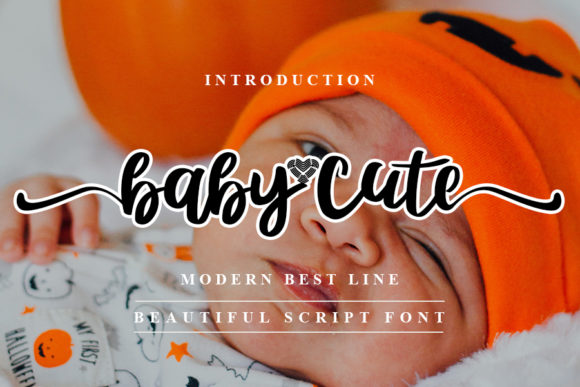
Baby Cute is a digitally crafted handwritten font that mimics the playful, uneven, and tender strokes of a child’s writing or a gentle script. Its defining characteristics include soft curves, irregular baseline shifts, and a generally rounded appearance. Unlike many rigid or formal typefaces, it carries an inherent personality. This makes it less of a general-purpose tool and more of a specialized resource. Its place in your broader creative process is typically at the conceptualization or execution stage, once the theme and target audience are clearly defined.
Before selecting any font, a clear project brief is essential. Ask yourself: Is the message celebratory, educational, comforting, or promotional? Does the design target parents, children, or caregivers? When the answers lean towards tenderness, nostalgia, or playful communication, Baby Cute becomes a relevant candidate. Its use signals an intention to connect on an emotional, personal level. Therefore, its integration begins with your initial style guides and mood boards. It interacts directly with other visual assets like pastel color palettes, illustrated icons, and soft background textures. In a workflow, it’s a decision that locks in the visual voice of your project.
Practical Applications and Workflow Integration
The utility of Baby Cute extends across numerous professional and personal applications. Its implementation is straightforward, but thoughtful placement maximizes its impact.
For Nursery and Children’s Business Branding
Small business owners, entrepreneurs, and freelancers creating brands for daycare centers, pediatric clinics, toy stores, or children’s clothing lines need a cohesive visual identity. Here, Baby Cute can serve as a primary or secondary branding font. A practical workflow might involve:
- Logo Development: Using the font for the business name or a tagline within the logo. Ensure compatibility by pairing it with a simple, clean sans-serif font for any necessary supplementary text (like addresses or phone numbers) to maintain readability.
- Marketing Materials: Applying Baby Cute to headers on flyers, brochures, social media graphics, and website banners. Consistency across these touchpoints reinforces brand personality. A tip for efficiency: create a template file with the font preset for recurring marketing assets.
- Product Labels & Packaging: For hobbyists or small-scale crafters making handmade toys or nursery items, using the font on labels adds a professional, bespoke touch that appeals directly to the target audience.
In Educational and Blogging Content
Educators, bloggers, and publishers creating resources for young children or their parents can use Baby Cute to enhance engagement. Its friendly appearance lowers the visual formalities of a page, making information appear more approachable.
- Printable Worksheets & Activities: Teachers or educational content creators can use the font for titles, instructions, or labels on coloring pages, simple word exercises, or daily schedules. This integrates into the workflow during the design phase of the worksheet, after the content is finalized but before distribution.
- Blog Post Titles & Graphics: Parenting bloggers or family lifestyle writers can employ Baby Cute in featured images or within infographics shared on their sites or social platforms. It helps the visual content immediately telegraph the article’s family-friendly nature, increasing click-through rates from a sympathetic audience.
- Children’s Book Drafts & Self-Publishing: Authors drafting books for young readers might use the font for chapter titles or decorative elements during mock-up phases, providing a visual feel for the final product even before engaging a professional illustrator or typesetter.
For Personal Projects and Crafting
On a personal level, Baby Cute fits seamlessly into craft projects and family documentation. Its usability in common software makes it accessible for hobbyists.
- Event Invitations & Celebrations: Creating birthday party invites, baby shower announcements, or baptismal cards. The workflow here is simple: choose your card layout in a word processor or design tool like Canva, select Baby Cute for the main message, and print. This preparation turns a generic invitation into a personalized keepsake.
- Memory Books & Scrapbooking: Digitally crafting pages for a baby’s first year album or a family scrapbook. The font can be used to label photos, write captions, or create page titles. For long-term use and organization, establish a digital scrapbook folder with a consistent font style guide using Baby Cute to ensure all future pages maintain a uniform look.
- Home Decor: Designing custom wall art, quote prints for a nursery, or personalized name plaques. This often involves designing the piece in a software program and then either printing it professionally or using a home cutter.
Workflow Considerations for Optimal Results
To integrate Baby Cute smoothly and ensure quality outcomes, a few practical considerations are essential. These steps prevent common pitfalls and enhance the font’s effectiveness.
Preparation and Technical Compatibility
First, ensure you have legally acquired and properly installed the font on your system. Most font files work across standard design software like Adobe Suite, Affinity products, Canva, Microsoft Word, and Google Docs. Check the file format (often .OTF or .TTF) for compatibility. Before diving into a major project, do a quick test: print a sample paragraph at different sizes to see how it reads on paper and screen. Handwritten fonts can sometimes suffer readability issues at very small sizes, so knowing its limits is part of preparation.
Pairing with Other Design Elements
Baby Cute is distinctive, but it shouldn’t carry the entire design burden. Its interaction with other elements is key.
- Color Selection: It pairs naturally with soft, muted colors—pastels, warm grays, creams. Avoid harsh, high-contrast colors that might clash with its gentle demeanor.
- Supporting Fonts: For body text that must be lengthy and highly readable (like terms & conditions on a website, or long descriptions in a brochure), pair Baby Cute with a neutral, highly legible sans-serif font. This maintains the playful tone in headers while ensuring functional readability elsewhere.
- Graphics and Imagery: Use illustrations and photos that share a similar soft, organic style. Avoid pairing it with harsh, geometric, or overly corporate imagery.
Maintaining Consistency and Quality Control
When using Baby Cute across multiple items or over time, consistency strengthens your project’s impact. Create a small style sheet for yourself noting:
- The specific size range you find most effective for headers (e.g., 24–36 pt).
- The color hex codes you’ve successfully paired with it.
- The supporting font you’ve chosen for body text.
This sheet becomes a quick reference, speeding up future projects and ensuring brand or project uniformity. For quality control, especially in print projects, always request a physical proof before bulk printing. The subtle details of a handwritten font can sometimes render differently on various printers.
Beyond the Single Project: Long-Term Utility
While Baby Cute is perfect for child-centric themes, its value can extend in a creative professional’s toolkit. Marketers and designers working with multiple clients might reserve it specifically for projects in the family, wellness, or soft lifestyle niches. Educators can build a repository of templates using the font for seasonal activities, saving preparation time each year. For the small business owner in the children’s market, it becomes a permanent part of their brand identity, used across packaging, websites, and future product lines.
The key to long-term, effective use is organization. Keep your font files properly categorized in your system. Archive old projects that used the font successfully as inspiration for future work. By understanding its specific strengths—its ability to convey sweetness, delicacy, and a personal touch—you can deploy it judiciously and powerfully whenever the right project emerges. It’s not a font for every occasion, but when the occasion is right, Baby Cute becomes an indispensable part of your creative implementation, helping you execute a vision that resonates deeply with its intended audience.